importance-of-sleep-in-teenagers
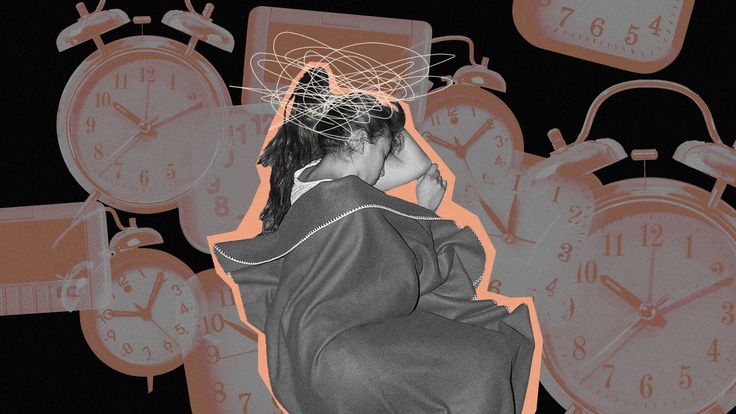
In recent years, sleep deprivation has become increasingly normalized among individuals, especially teenagers. Our project aimed to investigate whether getting less sleep affects teenagers' mood, stress, focus, and overall well-being. Lots of individuals stay up late due to work, academic pressure, social media, or gaming, often underestimate how strongly sleep affects their daily functioning.
We wanted to find a scientific answer for the question “ Do individuals who sleep less than six hours experience lower concentration, higher stress, physical or mental challenges?” The purpose of this project was to scientifically investigate the effect of sleeping less than six hours on the body. By using evidence based science through research, experiment, and community actions. This project aimed to help people make informed and responsible decisions about their sleeping habits and beliefs.
our secondary research
For our secondary research, we conducted using credible scientific sources in order to understand how sleep less than six hours affects our cognitive performance, stress, and overall mental and physical health. We explored different sources including, scientific papers published, expert interviews and educational videos which helped us build a strong knowledge of this topic. The Child Mind Institute article emphasized that lack of sleep in teens can lead to stress, mood swings, anxiety, and difficulties in school performance (Child Mind Institute, 2024).To ensure accuracy and reliability of our sources we conducted CRAAP analyses on main sources: the PubMed Central article, the Child Mind Institute article and CDC (Teen Sleep Statistics). The paper from Pilcher and Huffcutt (1996) conducted a meta-analysis showing that even short-term sleep loss can reduce mood and make people more anxious.This process helped us to identify and avoid misinformation, especially common myths surrounding sleep and productivity.
Sleep and Emotional Well-Being
A peer-reviewed study from PubMed Central found that sleeping less than six hours reduces positive mood and increases stress the next day (Zhang & Lau, 2021). This study is highly reliable because it was reviewed by experts and uses controlled experiments. It directly supports our project, showing how sleep loss affects emotions.
Primary Research
We conducted a survey with 47 teen participants to assess sleep habits and their effects on mood, stress, focus, and school performance.
Average Sleep Duration: Most students sleep 5–6 hours per school night (36.2%), with very few achieving over 8 hours (6.3%).
Daytime Fatigue: Over half of students frequently feel tired during the day.
Causes of Short Sleep: Homework and work (38.3%), phone/social media (34%), stress or worrying (8.5%), and other personal habits.
One tiny cell, one enormous world
A single onion cell is too small to see without magnification, but it contains an organized system of structures — and that's what makes biology so fascinating. Something as ordinary as cutting an onion can remind us that the objects around us are much more complicated than they appear.
The next time you see an onion, don't just see a vegetable. Think smaller: think about the thousands of microscopic cells that make up its tissues, the structures inside each cell, and the biological processes happening all around us without us ever noticing.
Interviews with Teens and Experts
Interviews confirmed that late-night phone use, homework, and stress contributed to insufficient sleep. Dr. Nagin highlighted that “the sleep you get at night is like medicine for your brain; teens need 7–8 hours ideally from 10 p.m. to 7 a.m.”
to read full research, check out this link